A sudden departure comes with no notice
An accident, a resignation, a manager who loses interest once the price is banked. The handover period agreed at the sale protects nothing when there is no notice.
An expert trained in gathering knowledge, backed by a specialist in the company's trade, has the managing director and the key people explain what is written down nowhere. The teams then look up these answers instead of waiting for the one person who knows. You receive a dated report of what still rests on a single person, to present to your investment committee and to show at exit.
Your leaver clauses (good leaver, bad leaver) set what happens to the shares of a manager who leaves, at what price and on what date. They say nothing about what happens to what that person knew, because nobody has described it. Whether the company is already in the portfolio or still under review, the question is the same: how many people does performance depend on?
An accident, a resignation, a manager who loses interest once the price is banked. The handover period agreed at the sale protects nothing when there is no notice.
A change of shareholder unsettles teams. The most employable find a new job fastest, and the company buys their know-how back at the cost of a recruitment and months of learning.
A postponement requested by a major account, a goodwill gesture on a dispute: everything goes back to the same desk. Each decision that waits delays the plan, and a plan running late lengthens the holding period.
You paid less for a company that depended on a few people. The next buyer will do the same sum, unless you show, with evidence, that this is no longer the case.
One portfolio company at a time. Usually after signing, or during the negotiation if you want to know where you are exposed before committing.
Management chooses what is connected: files, email, CRM. We go through them without changing anything, sort and structure what is written there, and spot the subjects that leave no trace anywhere. Those subjects set the order of the interviews.
Trained in gathering knowledge and backed by a specialist in the trade when needed, they start with the areas that rest on a single person, not the easiest ones. Everyone reviews what they said and corrects it.
Everything comes together in one tool, the company's Engramia, its collective digital brain: the answer comes with the interview passage or document it is drawn from. When a subject has not been gathered, the tool says so. The digital brain is updated every month.
These are the tool's real screens.
The company's knowledge map shows what would leave with a person: what to capture urgently, what to keep an eye on, what is already covered.
Copilot helps the owner prepare a sale from what the company knows. It cites its sources and says what it does not know.
Every answer cites the interview passage or document it comes from. You check instead of taking someone's word for it.
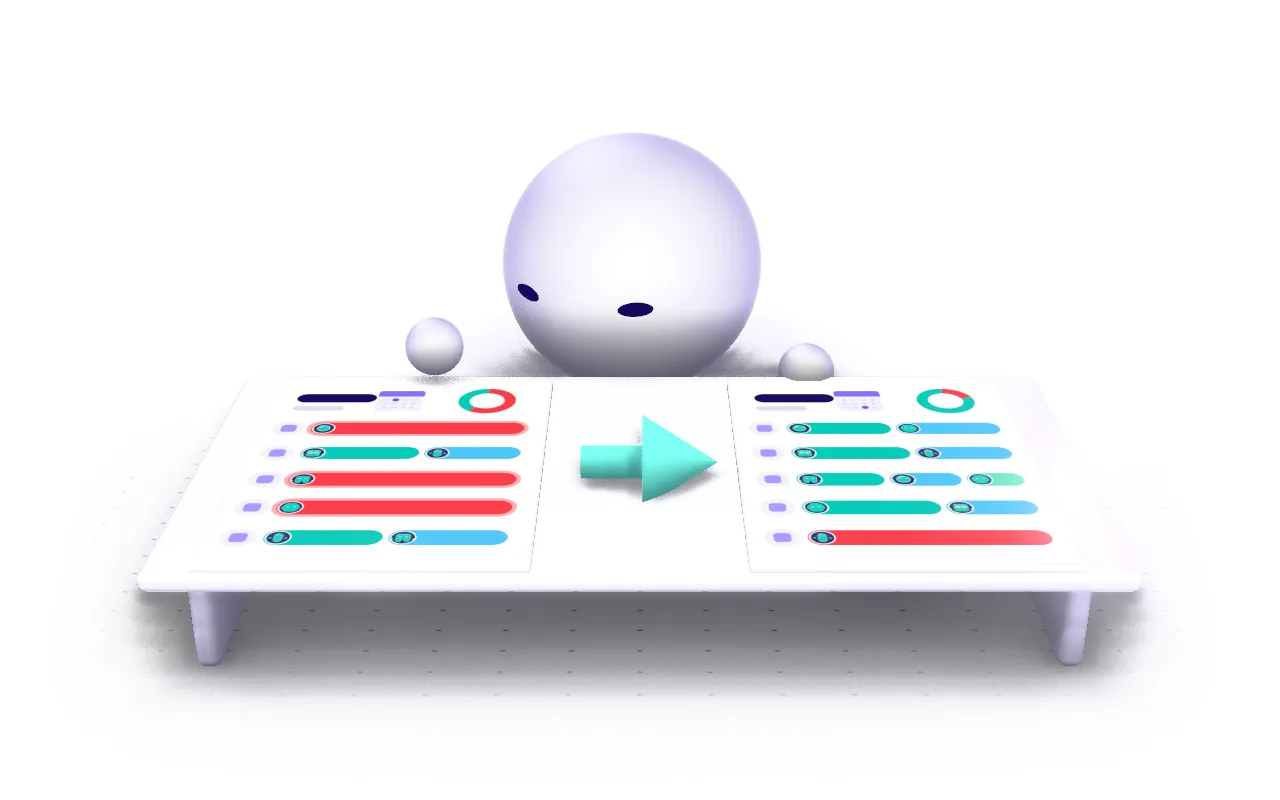
A dated report on the company: its areas, those that rest on a single person, and how many there are. It can be presented to your committee. Done again later, it shows what no longer rests on a single person.
What the person explained can still be looked up the next day, with the source and the date. This protection does not depend on any notice period.
The person who arrives finds in writing what the previous one knew, instead of piecing it together at the company's expense.
The teams decide with the source behind the decision, without waiting for the one person who knows to be free.
The same report, at entry and before the sale: a document the buyer can open and check.
Your space is kept apart from other clients'. The AI that runs it works on our own servers, and your data does not train our models. The one exception, and it is your decision: whatever you open to your own AI agents goes through their provider.
We read, without changing or deleting anything. You can cut the connection whenever you want.
A salesperson has no access to margins, a new hire none to management files. A connected AI agent never sees more than the person using it, and you can open less to it.
Another question? Book a call: 30 minutes by video, covered by a non-disclosure agreement.
It checks what is written. Our work covers what never has been, and which nobody will therefore be able to hand over to you.
They cover the financial consequence of a departure. None says what becomes of what the person knew, because nobody has described it. Once it is described, with a name, a date and a source, the risk can be discussed in committee.
The person reviews what comes out of their interview and corrects it. The tool produces no scores and no rankings of people, and the contract says so. If they do not want to talk about a subject, it stays missing, and the tool answers that it does not know.
You receive the dependence report. The content stays in the company, and the company decides who has access to it.
No. The work usually starts after signing. During the negotiation, it can be limited to the areas that concern you, so you know where you are exposed before committing.
With one portfolio company: the one whose business depends most on a few people. You judge on the evidence before extending it.
It stays with us, protected, in a space kept apart from other clients'. The AI model runs on our own servers; the data does not train our models. Whatever the company opens to its own AI agents goes through their provider, and the company decides that. The connection is read-only and can be cut at any time.
Setting up is quoted case by case: it depends on how much data the portfolio company has and how complex it is. After that, use is paid monthly in credits: interviews held, documents taken in, questions asked. At the first call, we estimate both together for one portfolio company.
In a 30-minute video call, we get to know the portfolio company and look at whether Engramia fits: where to start, and which tools we will be able to go through.