Your operations manual carries the concept
We add the network's real cases, each linked to the page that applies, and we flag the questions it does not cover yet.
You pass on your know-how through the operations manual, initial training and your field manager's visits. We add what your outlets learn every day on the ground: we start from the questions asked to head office, we gather in interviews how your most experienced people work, and every team practises on these real cases, in a space with your brand on it. Your franchise management software stays in place.
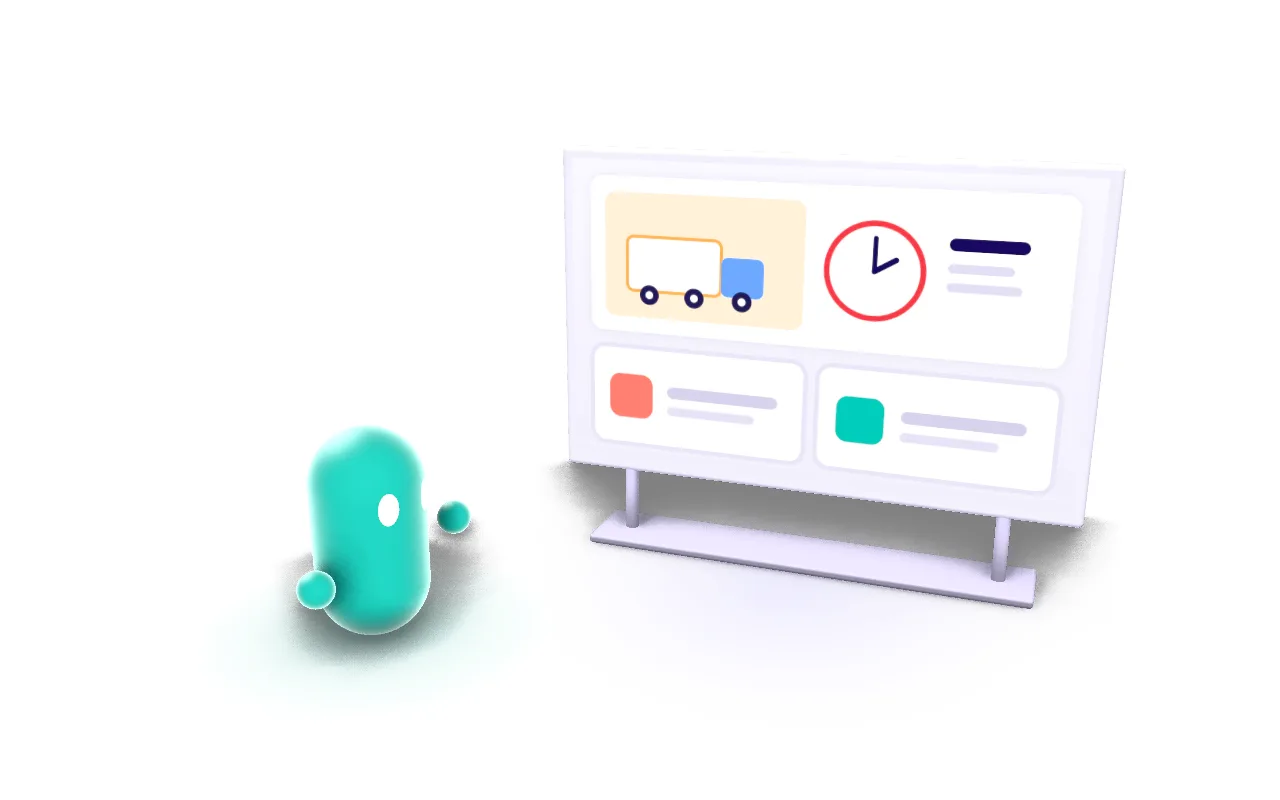
Every day, your franchisees and company-owned outlets handle cases the manual does not cover yet: a delivery missing on a Saturday evening, a customer disputing an order, a large order to prepare within the hour. The right answers exist in the network. They stay in the outlet that found them, or in your field manager's inbox.
We add the network's real cases, each linked to the page that applies, and we flag the questions it does not cover yet.
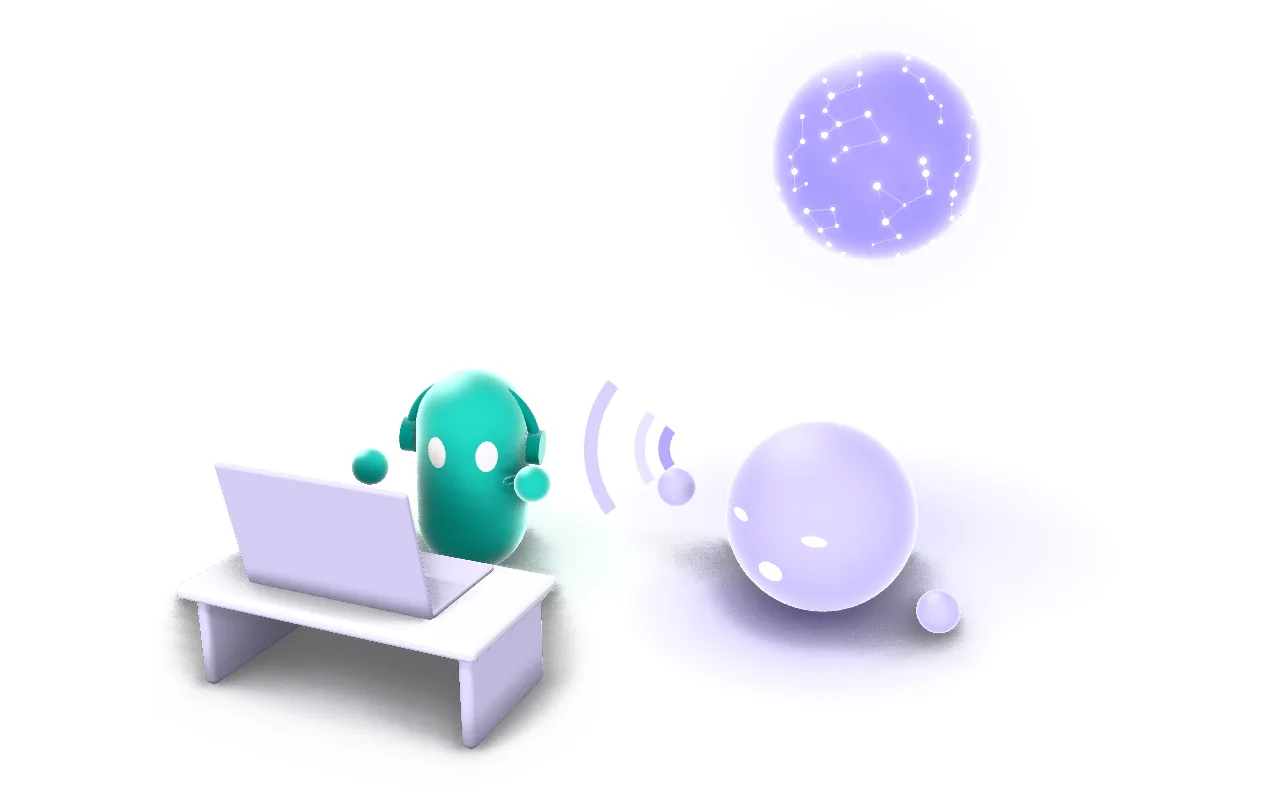
After that, teams keep practising on the network's cases, role by role. The crew member who joins six months after the opening benefits too.
The questions they are asked most often get an approved answer that every outlet can find on its own. Their visits go to coaching.
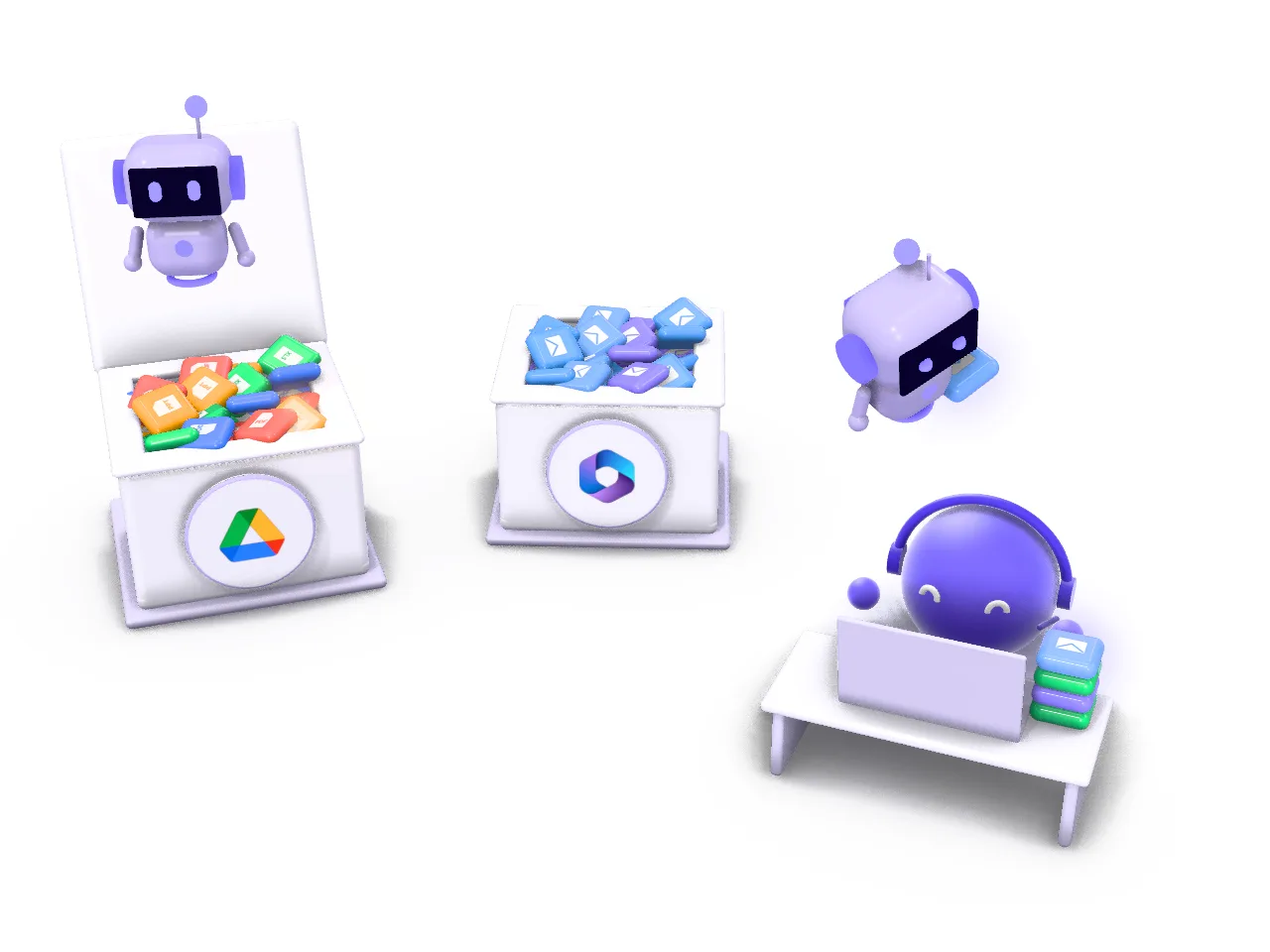
It stays in place, and your franchisees keep their habits. What head office approves in Engramia can feed its knowledge base, and its assistant answers with it.
You do not start everything at once. The first piece of work depends on what weighs most on your network this year.
Each new team practises on the network's cases before serving its first customers: the lunchtime rush, the late delivery, the unhappy customer. Your trainer keeps initial training and the time on site.
We start from the questions they get most often. Each one receives an answer approved by head office, and franchisees find it without calling.
We run the interviews in your pilot outlets and with your most experienced franchisees. What head office approves feeds the manual, with its source.
We work alongside your network software, on what head office chooses to open to us. Your manual stays where it is.
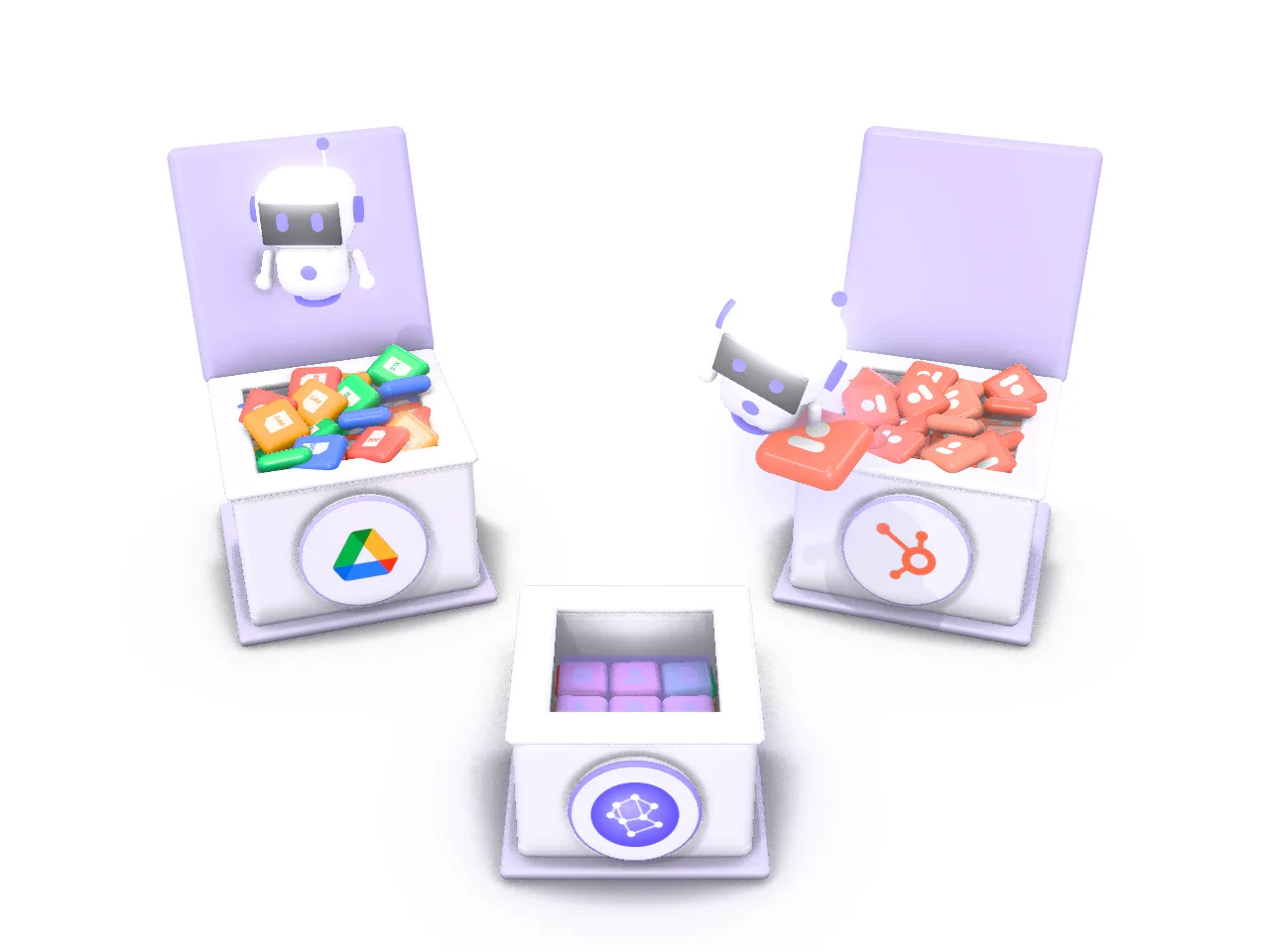
Read-only, on what you choose: the tickets in your network software, the field manager's and the support team's inboxes, visit reports, complaints. Each resolved exchange becomes a case, linked to the page of the manual that applies. When no page applies, we flag it to head office.
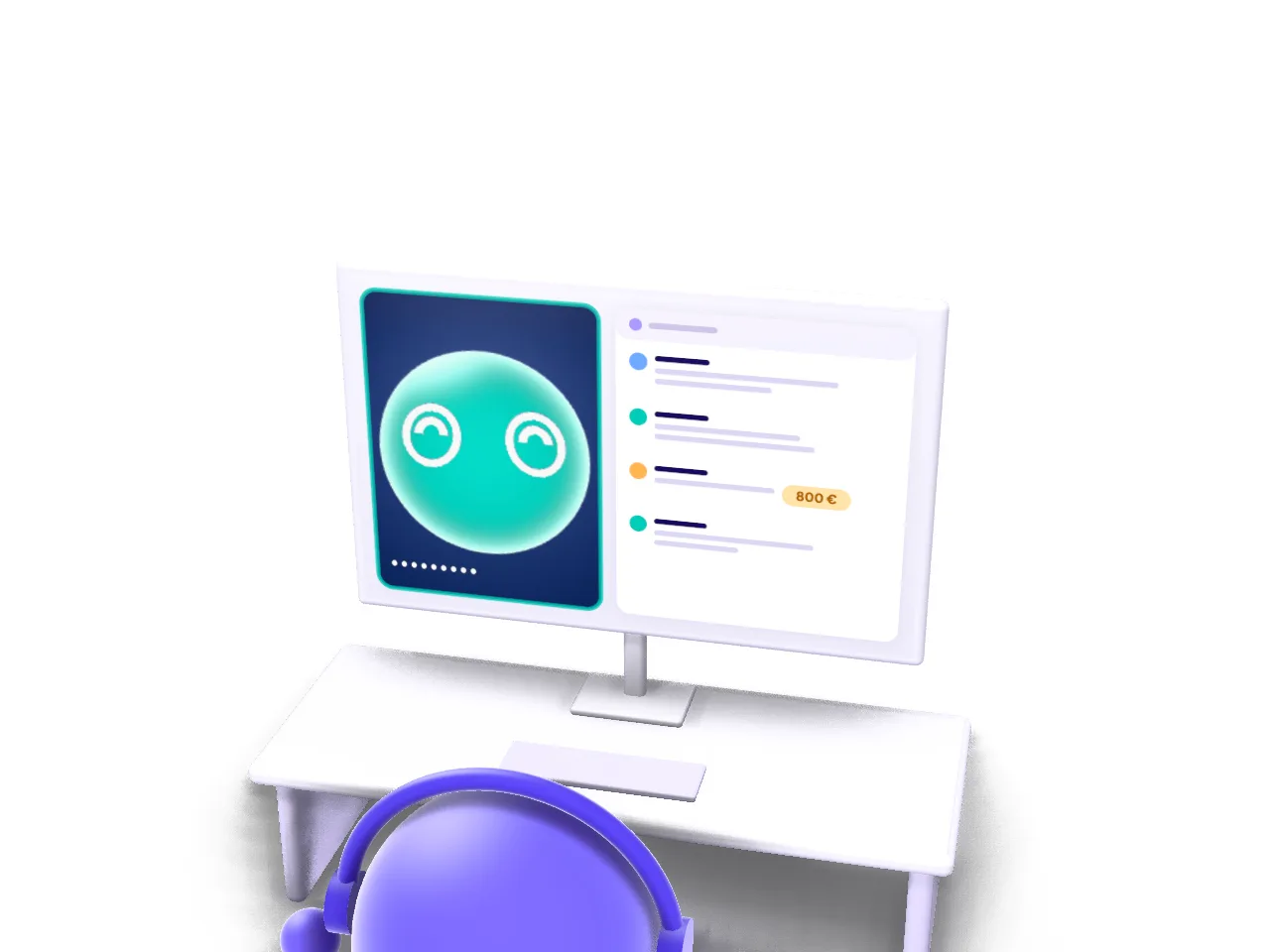
An Engramia expert, trained in gathering knowledge, interviews your field manager, head office and your most experienced franchisees: "In March, this outlet refused a delivery. Why?" Each person explains a decision they have in front of them, then reviews what we kept from what they said.
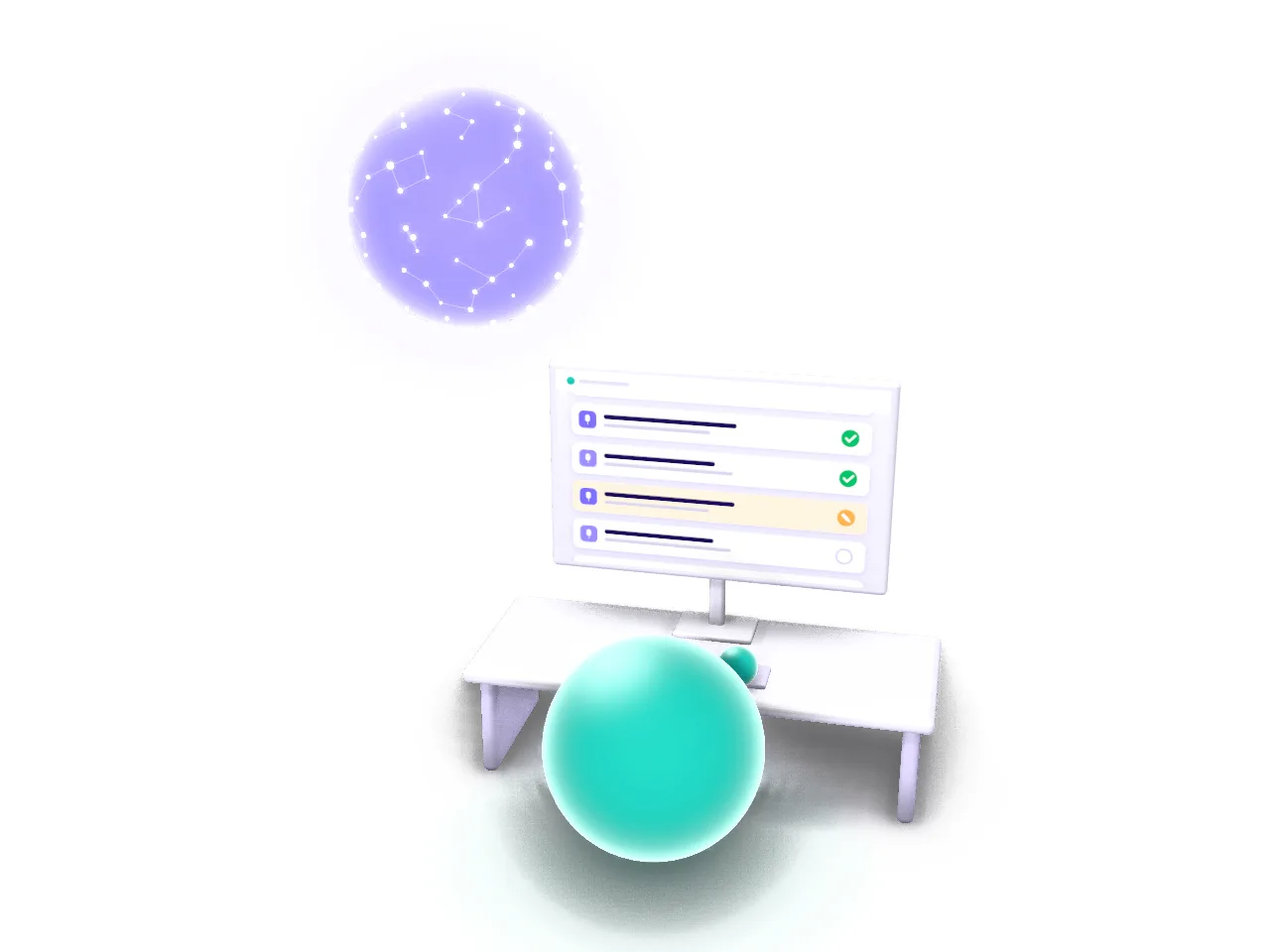
Head office reviews each case and decides when two answers contradict each other. What it approves goes into your Engramia, your network's collective digital brain, with its source: the page of the manual, the exchange or the interview it comes from.
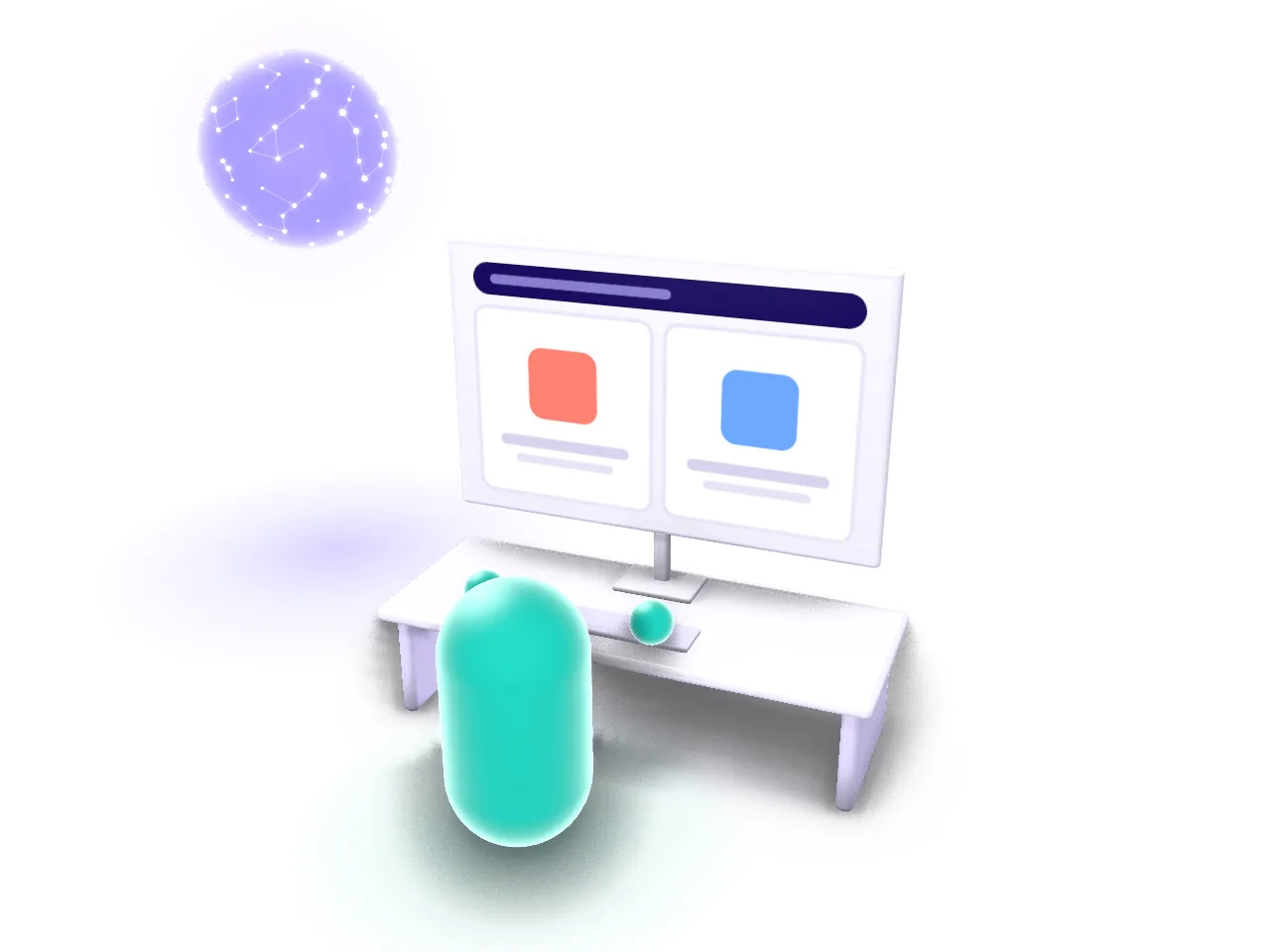
Each approved case becomes a role-play scenario. Learning paths are set by role, from the franchisee opening an outlet to the new crew member.
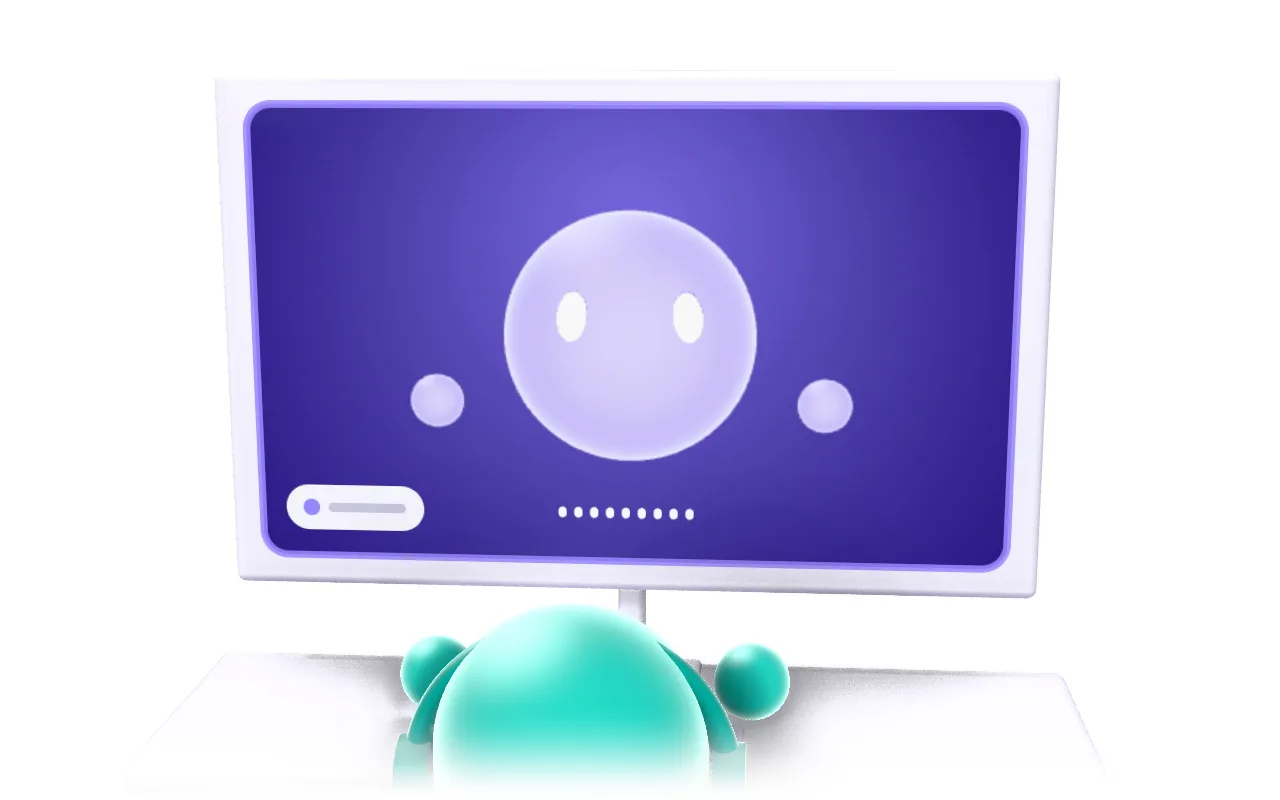
A real case appears: "Saturday, 7 pm, the bread has not been delivered and the queue is growing. What do you do?" The crew member answers in their own words. The correction shows them point by point what is missing, with the page of the manual or the interview the rule comes from.
The crew member explains what they would do instead of ticking a box, and sees what head office approved.
They practise with an unhappy customer before meeting one at the counter.
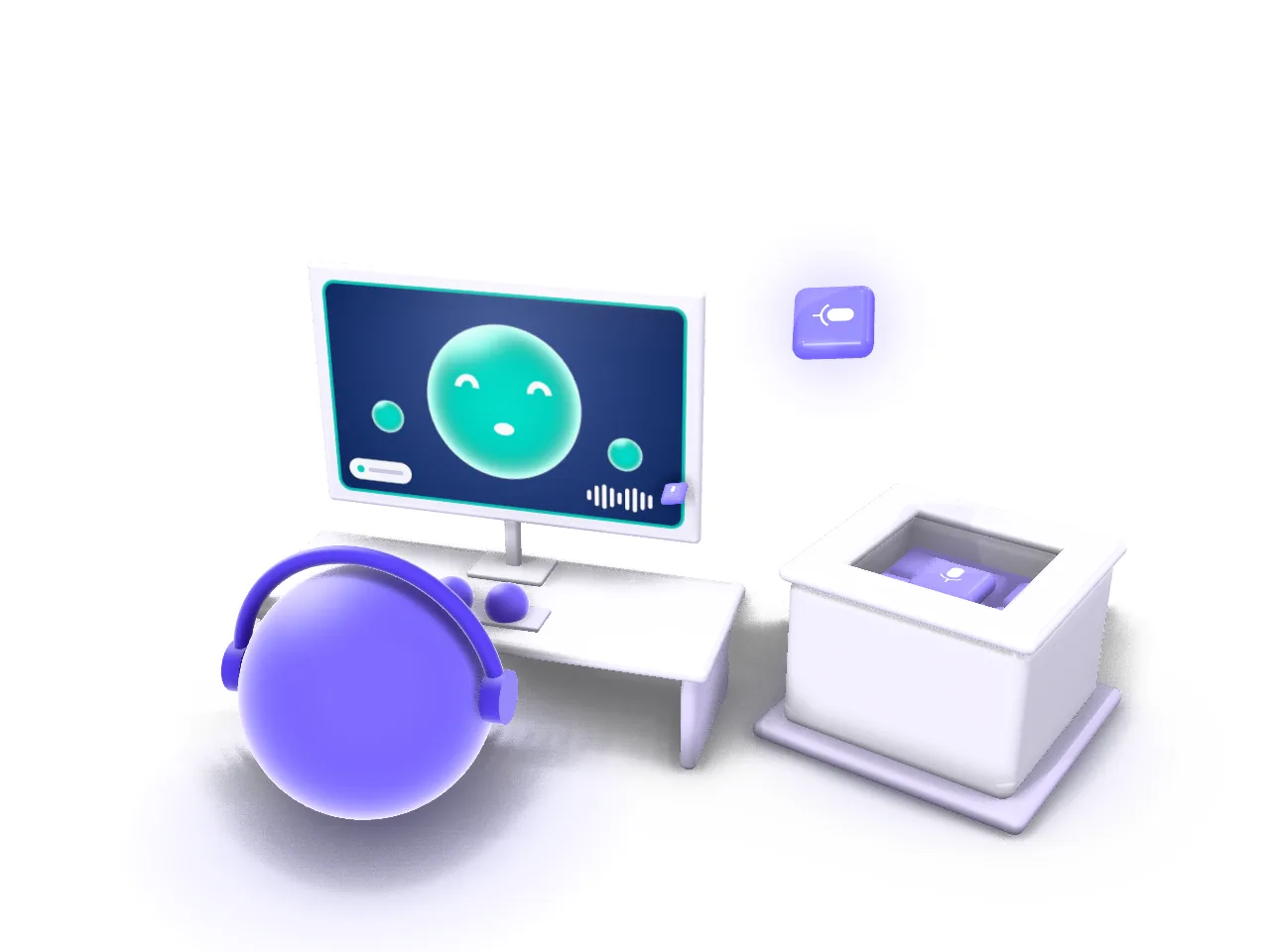
Your teams practise in your brand's own space, with your logo.
These are Engramia's real screens: the learning path built from your cases, the practice, and each team's progress.
You choose who follows it and which knowledge to pass on, for instance everything the person who left explained. Engramia writes the sessions from your interviews and documents, and you review them.
The new hire chooses what they would say to a customer, then sees your network's answer and what the person who knew used to say about it.
The AI plays your customer, with their habits and objections. The new hire answers out loud, a coach prompts them with your key people's reflexes, and the session ends on what has been learnt and what will come back.
You see where each new hire is on their path. For anyone falling behind, a note of encouragement is drafted for you to review before sending.
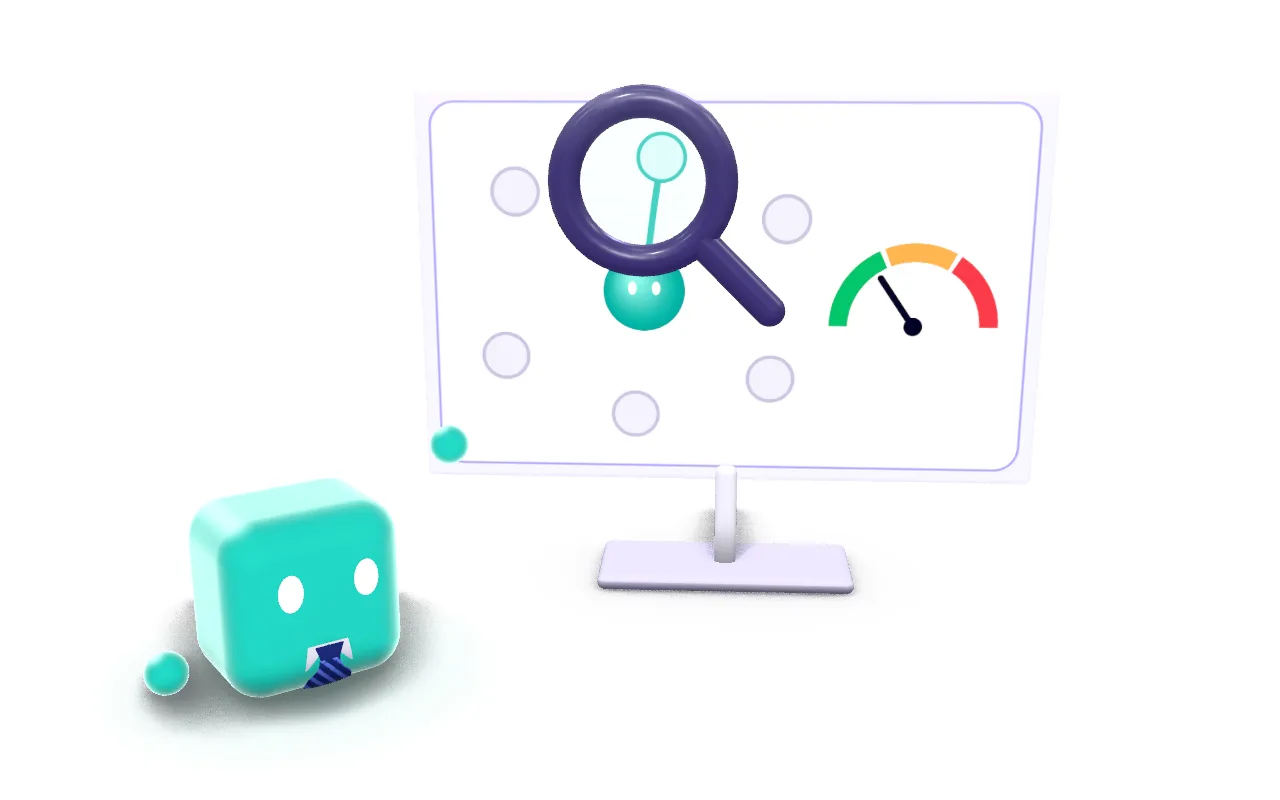
The questions asked and the practice sessions give head office a view it did not have, outlet by outlet.
The field manager sees the questions this outlet has asked and the cases where its teams go wrong. They arrive with the right topics.
By topic and by how often they come up. Head office decides what goes into the manual.
Who has followed which path, and where teams still need help.
At the recruitment meeting, you show how their teams will be trained, on your network's real cases.
Your know-how is what franchisees pay for when they join your network. This is how it is protected.
The AI model runs on our own server. Your documents and your questions are not sent to any outside AI service.
Everyone sees what concerns their role. Head office decides what is shared with the whole network.
We read the exchanges head office chooses, never your franchisees' inboxes. Personal exchanges are excluded.
Another question? Book a call: 30 minutes on video, covered by a non-disclosure agreement.
Keep it. It shares your manual, your news and your audits, and its assistant answers from what is written there. Engramia brings what it does not hold: how your most experienced franchisees work, gathered in interviews, and practice for your teams on the network's real cases. What head office approves can then feed your software.
An exchange gives the answer, rarely the reason. The interview brings out why it was done that way, and what you would do if the situation were slightly different. That is what lets a team handle a case it has never seen.
No. We read what head office chooses to open to us: the tickets it receives, the field manager's or the support team's inbox, visit reports. Personal exchanges are excluded, and customer and staff names are removed.
That changes nothing in how it works: each outlet has its own access, whatever its status. The first interviews can take place in your company-owned outlets, before opening up to franchisees.
Hands-on skills are learnt on site, with your trainer. Engramia passes on what can be explained in words: what to do, what to say, and why.
They review every passage before it is used. Their name stays attached to what they explained: it is recognition of their expertise.
Yes. Your teams practise in a space with your colours, your name and your logo.
Set-up is quoted: it depends on the number of outlets, the exchanges to go through and the interviews to run. After that, you pay each month in credits, according to what your teams use: interviews run, documents taken in, practice sessions. At the first call, we estimate both together.
You choose a 30-minute slot and leave your name and email. The invitation and the video call link arrive straight away. During the call, we learn about your network: how teams are trained, the software you already use, and the questions head office gets most often. There is no commitment, it is covered by a non-disclosure agreement, and no preparation is needed.
In a 30-minute video call, we look at your manual, the software you already use, and the questions head office gets most often.