01
Everyone waits for the same person
Questions always end up at the same desk. When that person is away, files wait; when they are in, they spend their days answering everyone else.
They started with Engramia










The price agreed with a long-standing client, the reason behind an exception: only the person who has handled those files for years knows. It costs time every day, and far more the day they are gone.
Questions always end up at the same desk. When that person is away, files wait; when they are in, they spend their days answering everyone else.
The notice period goes on closing files, not on passing on years of experience. Whoever takes over the job relearns by trial and error, on your clients.
If the company rests on you and on two or three people, the buyer puts a figure on it: a lower price, or a clause that keeps you on for several years after the sale.
Everything they explain goes into your Engramia, your company's collective digital brain. It belongs to the company and stays when someone leaves.
Nobody in your company has to write documentation. Your key people give interviews and review what we have drawn from them. We do the rest.
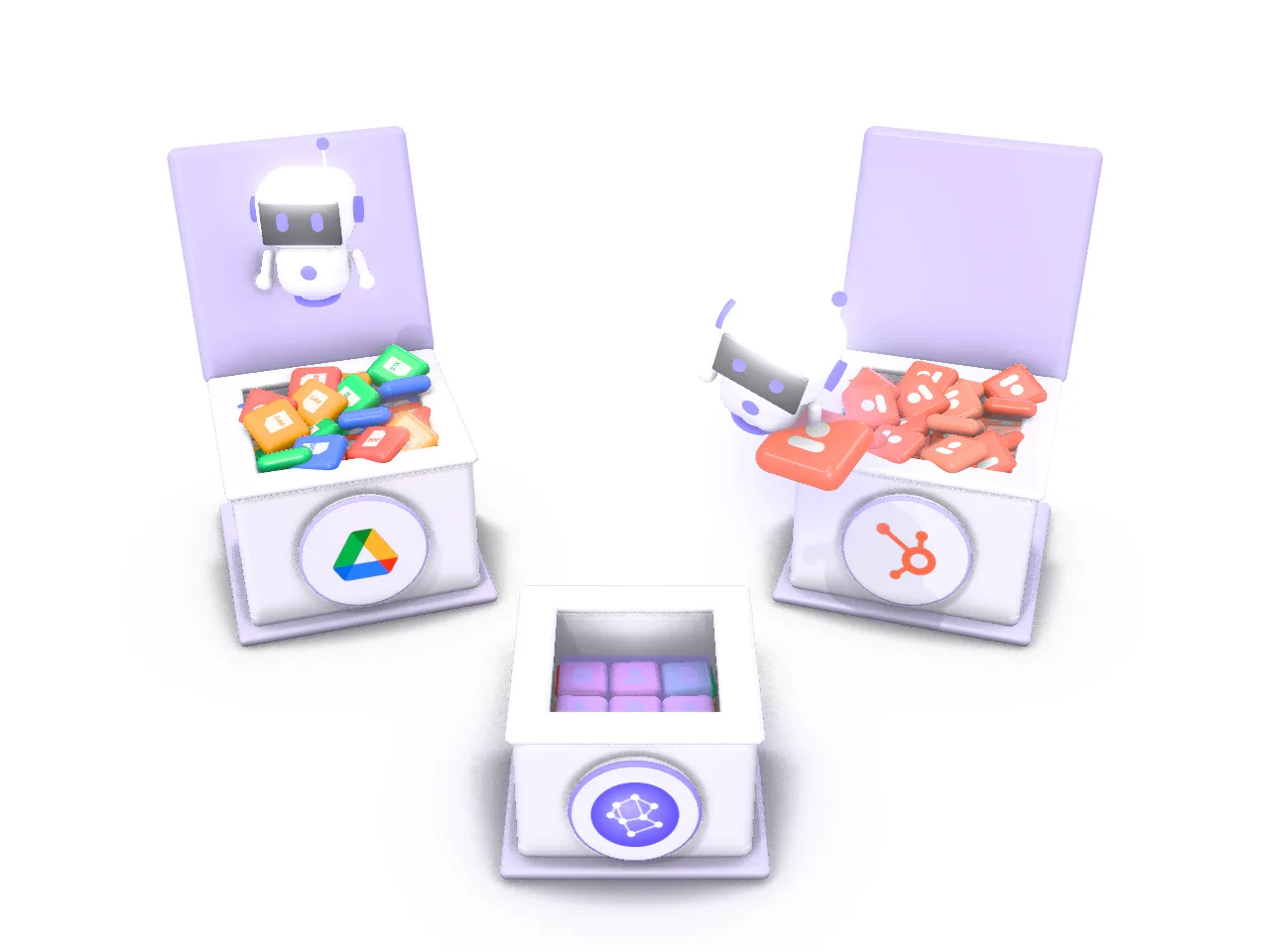
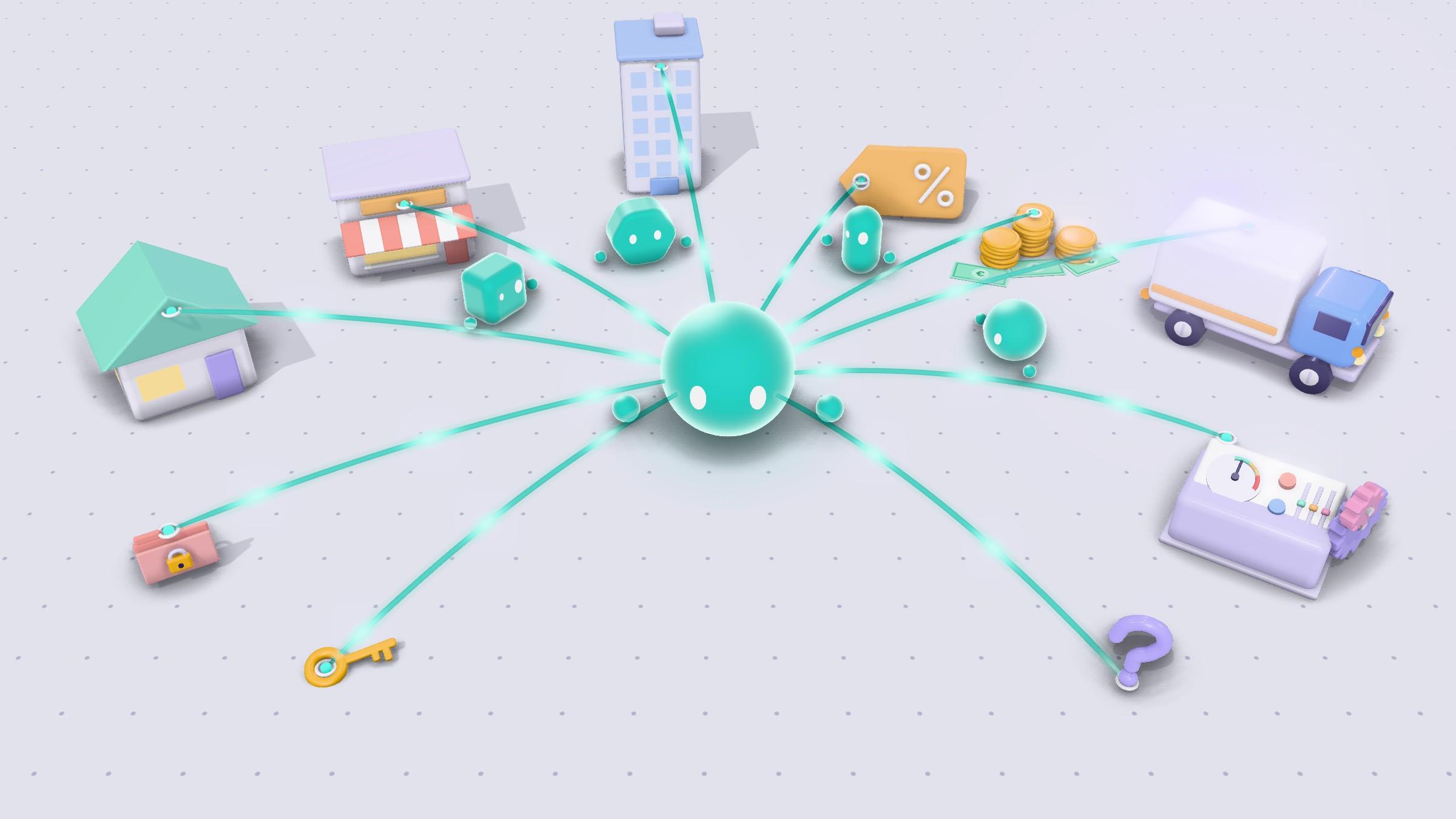
You choose what we connect: Google Drive or Microsoft 365, your CRM, your email. We go through them without changing anything, then sort and structure the clients, prices, conversations and decisions.
An AI connected to your emails and documents finds what has been written. The rest lives in your key people's heads: why this price, why this supplier, what to say when a client calls in a fury. Our experts, trained in gathering knowledge and backed by a specialist in your trade when needed, get them to tell it. The person then reviews what has been kept.
What your tools say and what your key people have explained comes together in one place. Anyone can ask a question in plain language and get the answer with its source. The brain is updated every month.
These are the tool's real screens.
Anyone asks a question in plain language and gets, within seconds, the answer of the person who knew, with its source. When the information is missing, the answer says so.
For management: Copilot draws on your whole Engramia to prepare your decisions. It recommends, shows its reasoning, cites its sources and says what it does not know.
Learning paths built from your real cases: role-plays, simulated calls where the AI plays the client, exercises on your files. The right answer is your firm's, in the words of the person who knew.
You open to each person what they need, subject by subject: a salesperson does not see the margins, a new hire does not see management files. Opening a sensitive subject requires a reason, logged in the history.
We start with them, while they are still here: their interviews come first, and their colleagues can already look up what they have explained. The day they leave, their replacement has the answers from day one.
Preserve a key person's knowledge
The seller explains their clients, suppliers, prices and habits before leaving. The buyer sees a company that runs without its former owner, which counts when the price is negotiated. The new owner has the seller's answers without having to call them.
Prepare a sale or a takeover
Their training is built from what your teams have explained: simulated client calls where the AI plays the client, role-plays, exercises on your real files. They know your procedures and your special cases before they are on their own.
Train your new hires on your own cases
Connect them to the digital brain: they then answer knowing your files and the way you work. An agent never sees more than the person using it.
Your space is kept apart from other clients'. The AI that runs it works on our own servers, and your data does not train our models. The one exception, and it is your decision: whatever you open to your own AI agents goes through their provider.
We read, without changing or deleting anything. You can cut the connection whenever you want.
A salesperson has no access to margins, a new hire none to management files. A connected AI agent never sees more than the person using it, and you can open less to it.
Another question? Book a call: 30 minutes by video, covered by a non-disclosure agreement.
Setting up is quoted case by case: it depends on how much data you have and how complex it is. After that, you pay monthly in credits, according to what your teams use: interviews held, documents taken in, questions asked. At the first call, we estimate both together.
It is its collective digital brain: what its key people know, gathered in interviews and from its tools, reviewed by them, and open to questions from the whole team. It belongs to the company, is updated every month and stays when someone leaves. Engramia is also the name of our company: we build each client's Engramia with them.
Your key people give interviews, in half-hour sessions, and review what is drawn from them. Nobody has documentation to write. The schedule is set at the first call, depending on the number of people and your constraints.
They agree all the more readily because they stay in control: the person reviews what comes out of their interviews and corrects it. The tool produces no scores and no rankings of people, and the contract says so. Someone who has built up a trade over many years rarely wants it to disappear.
Every answer cites its source: the interview passage or the document it comes from. The digital brain only answers from what has been gathered and approved by the person who explained it. If the information is not there, it says it does not know.
Your agents will find what is written in your emails and documents. Most of what your key people know is written down nowhere: why this client pays this price, which supplier helps out on a Friday evening, what to say when a file gets stuck. We gather it in interviews, with them. Your agents can then plug into your Engramia and use it too.
No. The digital brain decides nothing and signs nothing: it answers when asked, citing who said what. Your teams make the decisions, with information they did not have before.
You choose a 30-minute slot and leave your name and email. The invitation and the video call link arrive in your inbox straight away. During the call, we get to know your company and look at whether Engramia fits your case: if a key person is about to leave, how to talk about it with your staff; which modules to set up first; which tools you use, so we know what we will be able to go through. There is no commitment, it is covered by a non-disclosure agreement, and no preparation is needed.
In a 30-minute video call, we get to know your company and look at whether Engramia fits your case: where to start, and which tools we will be able to go through.