01
Train every new hire with that knowledge
A new hire arrives with a hundred questions. The answers are in what you gathered; what they lack is a way to find them in seconds, when they need them.
You gather and structure your clients' knowledge. We turn it into a tool they can question like a colleague, that trains their new hires on real cases, and that their AI assistants can draw on. You remain the expert in your clients' eyes; we take care of the technology.
The engagement ends, and you move on to the next client. Yet that knowledge could do much more, and with AI, your clients are starting to ask for it: answer their teams' questions, train every new hire, feed their AI assistants. That takes a tool, connections and security, and building it is not your job.
A new hire arrives with a hundred questions. The answers are in what you gathered; what they lack is a way to find them in seconds, when they need them.
As long as that knowledge cannot be looked up, teams keep going back to the same old hands. Your clients would like them to explain things once, for everyone.
Your clients use ChatGPT, Claude or Copilot. Without access to what you gathered in interviews, these assistants answer in generalities.
These are the tool's real screens.
Your diary of assignments, client by client. For each session, what the AI agents have spotted: unanswered questions, topics to cover, contradictions.
While the person talks, the control room follows your plan and suggests the next question when a grey area appears. You stay in charge of the interview.
They go over each item drawn from your interviews and approve, correct or set it aside. Anything not yet approved is flagged as such.
The knowledge map shows what rests on a single person, what to gather first and what is already covered. It is your knowledge map, kept up to date.
A member of staff asks in plain language and gets, within seconds, the answer of the person who knew, with the interview it comes from. When the information is missing, the answer says so.
Learning paths built from the cases you gathered: role-plays and exercises on the company's own files. The right answer is the firm's, in the words of the person who knew.
Your method does not change. What you deliver becomes your client's Engramia, their company's collective digital brain: they question it, their new hires train on it, their AI assistants plug into it.
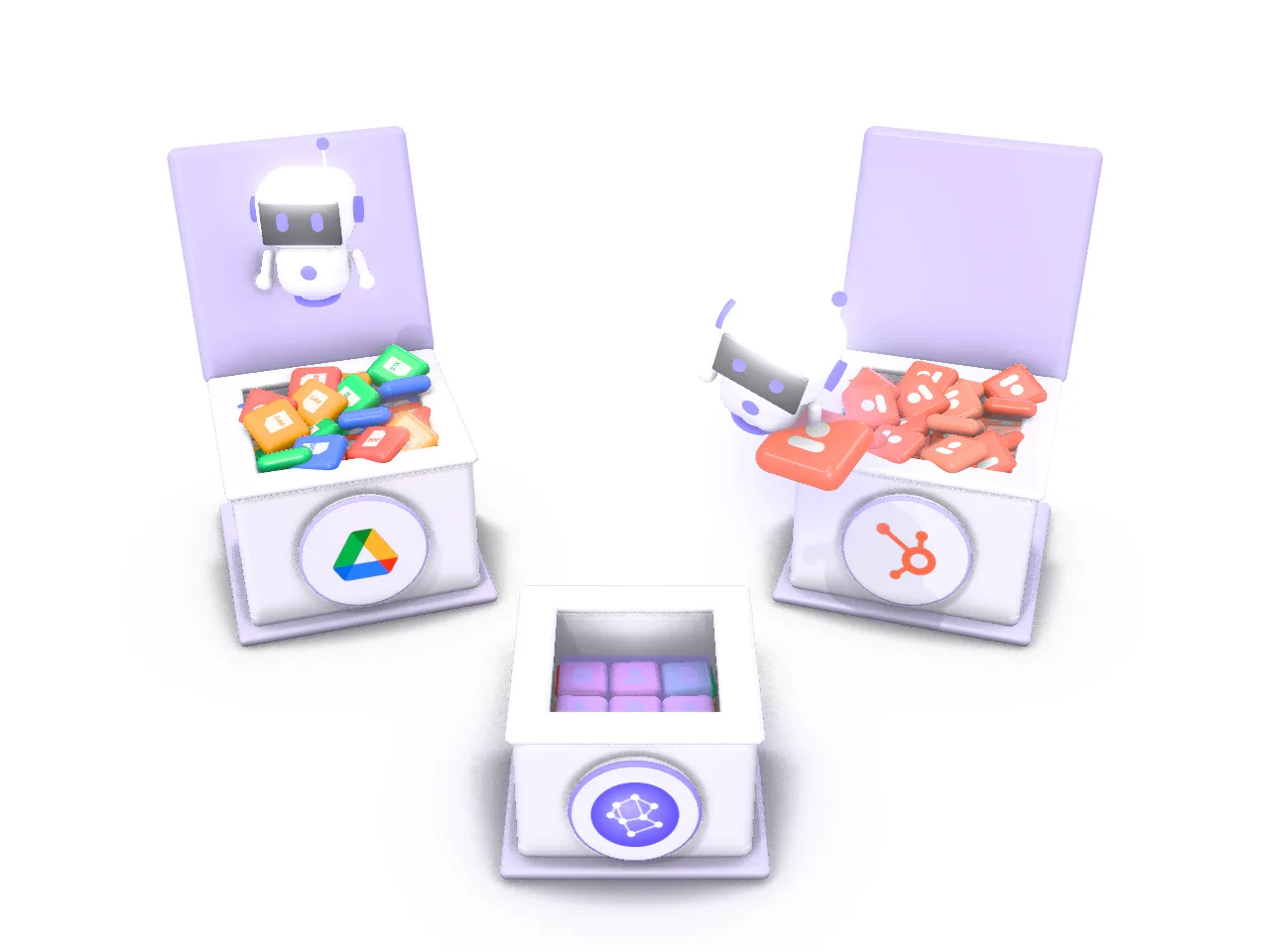
Interview write-ups, critical knowledge map, procedures, fact sheets: you hand them over, and we turn them into pieces of knowledge, each linked to the passage it comes from. If you wish, our AI agents add what an engagement leaves no time to read: years of emails and shared folders, always with the agreement of the people concerned.
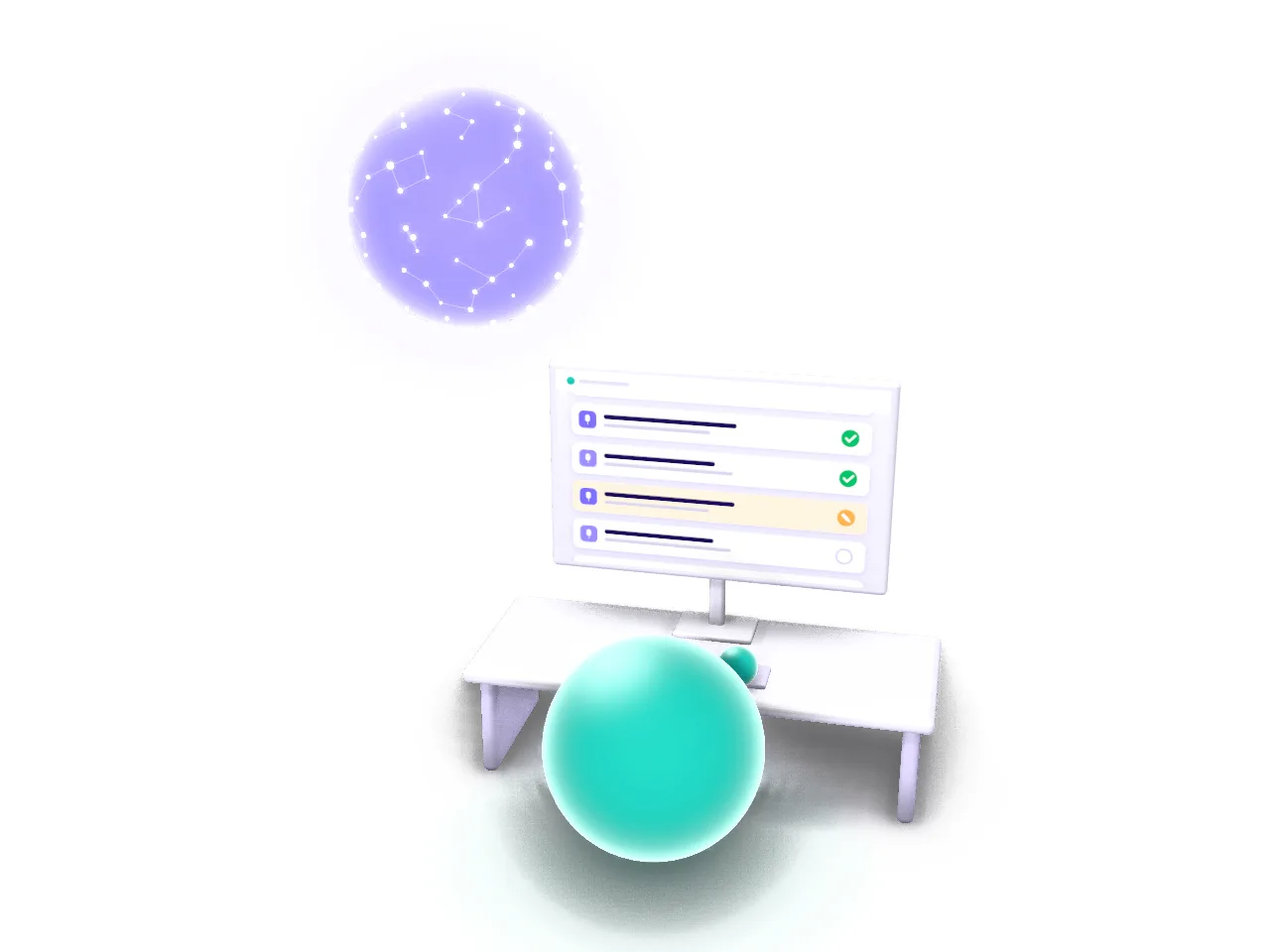
They review each piece of knowledge drawn from their interviews: approve it, correct it or set it aside. Colleagues confirm what they apply too, and the reliability of each answer shows. When a new document contradicts something, it goes back to the person who gave it.

Their teams ask questions and get the answer with its source: the interview, the passage, the person who explained it. New hires train on the company's real cases. Every month, new documents enrich the base, and nobody has pages to write.
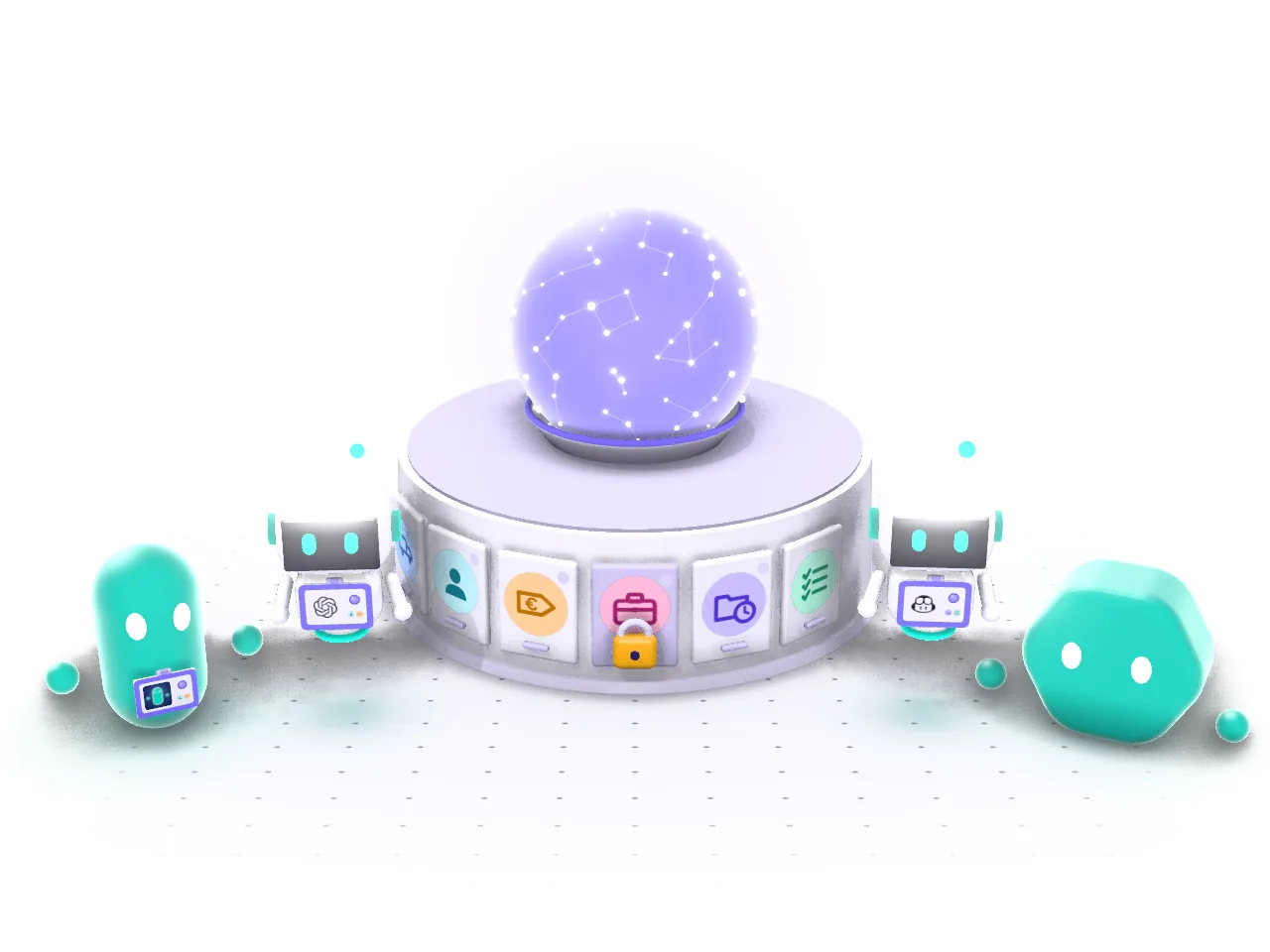
The digital brain is added to the assistants teams already use, through an MCP connector. Nobody changes tools.
Your client decides, assistant by assistant: accounts for one, clients for another. An assistant never sees more than the person using it.
A wiki or shared folder with AI on top answers from the pages someone took the time to write. Your work brings what was never written anywhere, approved by the people who know.
Your client sees what each assistant consulted, and can withdraw access at any time.
You remain the expert in your client's eyes. The tool gives you reasons to come back, and a way to show what your work brings.
Your client knows you. The tool carries your name, with “powered by Engramia”. We handle hosting, security and updates, and we never approach your clients.
Your clients, your sessions, the preparation of each interview with the topics already spotted, the write-up drafted for you. You only see your own engagements.
When the digital brain cannot answer, the question comes back up, as do the topics never covered. That is the material for your next proposal.
You can see what is consulted and which learning paths draw on your interviews. When it is time to renew, you show the use instead of describing it.
Your client pays a subscription, and you receive your share for as long as they stay.
You choose what suits your practice and your clients. The terms are written down, and we send them to you after the first call.
A short, free course on our method and our interview charter. You can then run interviews for Engramia's clients, and introduce yours to us.
You sell your engagement, we provide the tool. Your client has two clear contacts: you for method and use, us for the technology. It is the simplest way to start.
For practices already following several clients: the tool carries your name alone, and Engramia only appears in the legal notice. It costs more, and is assessed case by case.
Another question? Book a call: 30 minutes on video, covered by a non-disclosure agreement.
No. We take your interview write-ups, your knowledge map and your procedures as they are, and turn them into pieces of knowledge, each linked to its source. The method stays yours. If you and your client wish, our AI agents can add what sits in emails and shared folders, with the agreement of the people concerned.
The usual office formats: Word, PDF, Excel, slide decks, interview write-ups, and recordings, which we transcribe. Bring an anonymised example to the first call: we will show you what it becomes.
You do. You run the engagement, you support day-to-day use, you propose what comes next. We handle the technical side when you ask us to, and we never approach your clients.
AI on top of a wiki answers from what someone took the time to write down. Here, the base also holds what was never written anywhere, gathered in interviews. Each piece of knowledge is linked to its source, approved by the person who gave it, confirmed by colleagues, and reopened if something contradicts it. Nobody has pages to keep up to date.
The digital brain plugs into them through an MCP connector. Their assistants then answer with the knowledge you gathered, each within the scope your client opens to it, and never beyond the access of the person using it.
Every exchange is covered by a non-disclosure agreement. Your client decides who sees what, person by person and assistant by assistant. Our commitments are set out in our ethics charter.
For your client, as for the rest of Engramia: setting up is quoted case by case, then use is paid monthly in credits. For you: a share of the subscription every month, for as long as the client stays, on top of the work you invoice yourself. The terms are written down, and we send them to you after the first call.
A short, free course on our method and our interview charter. Its main purpose is that every person interviewed is treated the same way, whichever consultant they meet.
In a 30-minute video call, we look with you at an anonymised deliverable, what your clients could do with it day to day, and the way of working together that suits you.